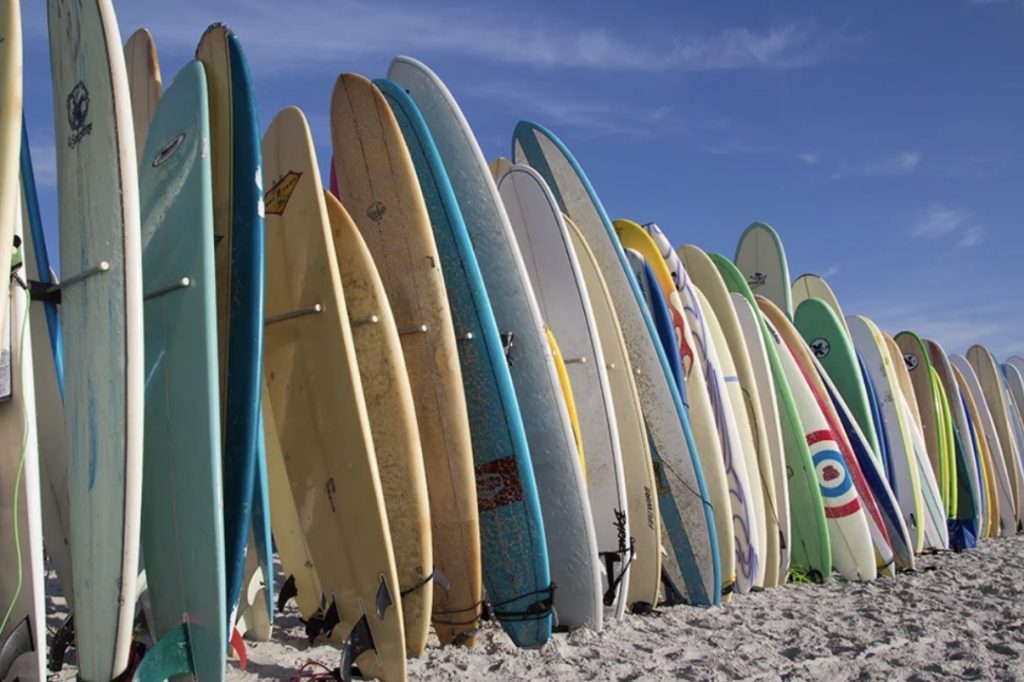




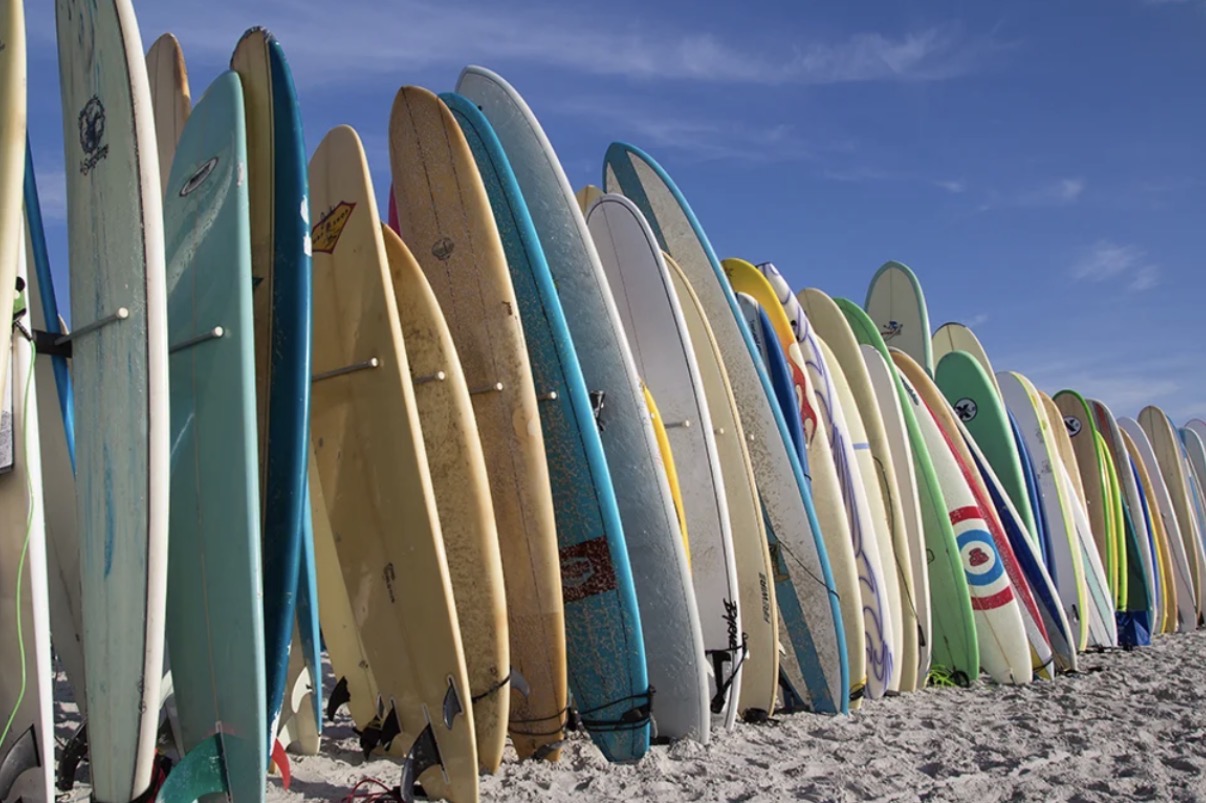
Choosing the right surfboard is one of the most important factors in how well you perform in the water. While skill level matters, the relationship between board size and wave conditions often determines whether a session feels effortless or frustrating. This is especially true in dynamic surf zones like Tofino, where wave conditions shift dramatically throughout the year.
In general, bigger waves call for smaller, more maneuverable boards, while smaller waves benefit from longer, higher-volume boards. The reasoning is rooted in physics and wave energy. Larger waves carry more power and speed, so surfers need boards that can handle steep drops and allow quick turns. Shortboards excel here they have less surface area, making them easier to control in fast, hollow conditions.
On the other hand, smaller waves lack power. Longer boards, such as longboards or funboards, provide more buoyancy and glide. This extra volume helps surfers catch weaker waves earlier and maintain speed across flatter sections. In mushy summer surf, a shortboard can feel sluggish and ineffective, while a longboard can turn even small swells into rideable waves.
In Tofino, this contrast becomes very clear across seasons. During the summer months, the Pacific tends to be calmer, producing smaller, softer waves. Surfers often switch to longboards or mid-length boards to maximize wave count and enjoyment. Winter, however, transforms the coastline. Powerful North Pacific storms generate large swells, creating steep, fast-breaking waves that are better suited for shorter boards or even specialized step-up boards for experienced surfers.
Local surfers in Tofino often maintain a quiver of boards to adapt to these changing conditions. A typical setup might include:
- A longboard for small summer days
- A mid-length for moderate surf
- A shortboard or step-up for winter swells
Ultimately, matching your board to the wave conditions isn’t just about performance it’s about safety and maximizing your time in the water. Understanding how wave size and energy interact with board design allows surfers to make better choices and enjoy every session, no matter the season.